
The complete guide
Insect Mesh vs Shade Cloth: Which Do You Need?
Shade cloth and insect mesh look similar rolled up but do very different jobs, and it pays to know which one you actually need before you buy.
What shade cloth does
Shade cloth is woven or knitted to block a set percentage of sunlight, anywhere from a light 30% through to a heavy 90%. Its job is temperature and light control: keeping a greenhouse from overheating, protecting sun-sensitive plants, or shading a patio. It does nothing to keep pests out, since the weave is designed around light, not pest size.
What insect mesh does
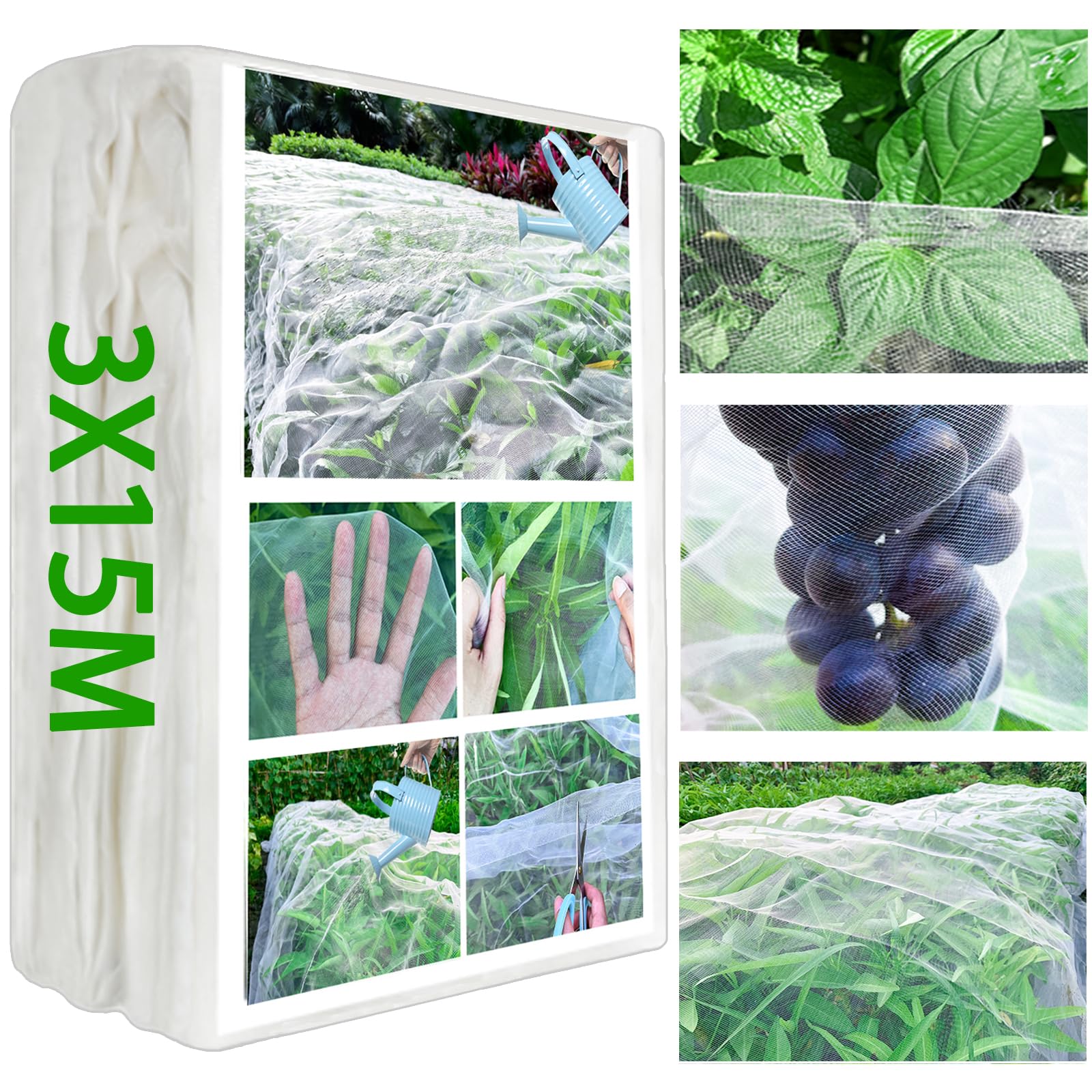
Insect mesh is woven far more tightly at a consistent, small hole size, fine enough to physically stop flying pests such as carrot fly and cabbage white butterflies getting through, while barely reducing the light reaching your plants. Its job is pest exclusion, not shading. Used correctly it removes the need for pesticide sprays on the crops it covers.
Can you use both together?
Yes, on some beds it makes sense to run both: an insect mesh cover during the pest-risk part of the season, and separate shade cloth over a greenhouse roof for temperature control. They solve different problems and are not really interchangeable, so check which issue you are actually trying to fix before choosing one over the other.
Choosing between the two
If your main problem is pests eating or laying eggs on your crop, insect mesh is what you need. If your main problem is a greenhouse or bed overheating in full sun, shade cloth at the right percentage for your crop is the better tool. Many growers end up with both in the shed for different jobs through the season.