
The complete guide
Windbreak Netting: How It Actually Works
It seems counter-intuitive, but a solid fence is often a worse windbreak than a permeable mesh screen, and it helps to understand why before you buy one.
Why solid barriers struggle
Wind hitting a completely solid fence or wall has nowhere to go but up and over, which creates strong turbulence and a swirling, gusty pocket on the leeward side, often worse than the open wind you started with. Solid barriers also take the full force of the wind directly, which is why garden walls and solid fence panels are prone to being blown over in storms.
How permeable screening helps
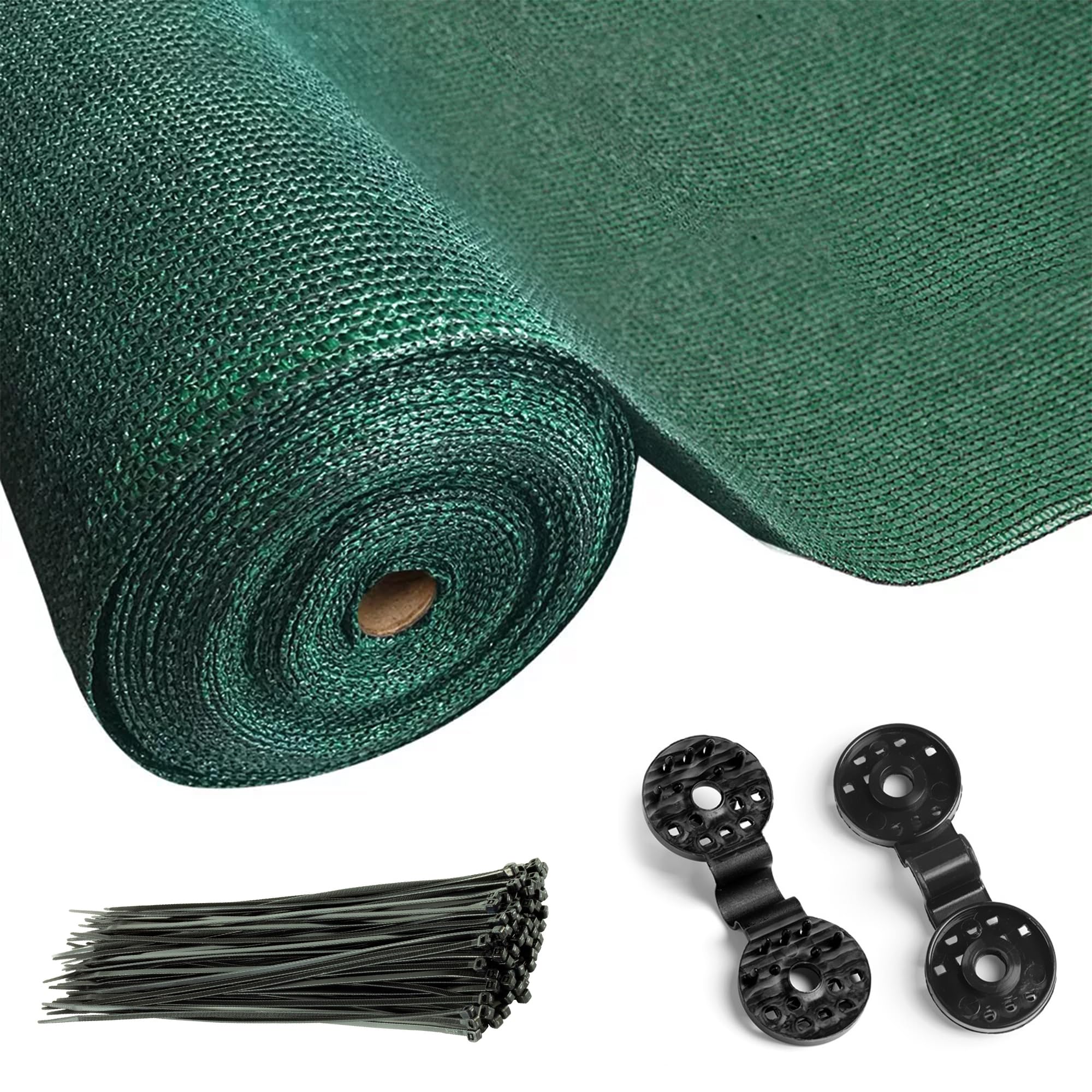
A woven mesh screen like this one lets a portion of the wind pass through while slowing and diffusing the rest. That reduces the pressure on the structure itself and produces a much calmer, more even zone of reduced wind on the sheltered side, rather than the violent turbulence you get behind a solid barrier.
Practical placement
Windbreak netting is most effective run along the windward boundary of the area you want to shelter, whether that is a vegetable bed, a seating area, or a whole garden. Fix it taut, without slack that will flap and wear the fixings, and check ties periodically through the year since this is exactly the situation that tests them.
Privacy as a bonus
Because the same woven density that manages wind also reduces visibility, this kind of screening does double duty as a simple, effective privacy screen along a fence line or balcony rail, without needing a separate product for each job.