
The complete guide
Insect Mesh vs Shade Cloth: Which Do You Need?
Shade cloth and insect mesh look similar rolled up but do very different jobs, and it pays to know which one you actually need before you buy. This particular netting sits between the two, offering light shading with some pest-screening benefit, so it is worth understanding both ends of the spectrum.
What shade cloth does
Shade cloth is woven or knitted to block a set percentage of sunlight, anywhere from a light 30% through to a heavy 90%. Its job is temperature and light control: keeping a bed or structure from overheating, protecting sun-sensitive plants, or shading a patio. Most shade cloth has little effect on small flying pests, since the weave is designed around light rather than pest size.
What fine mesh row covers do
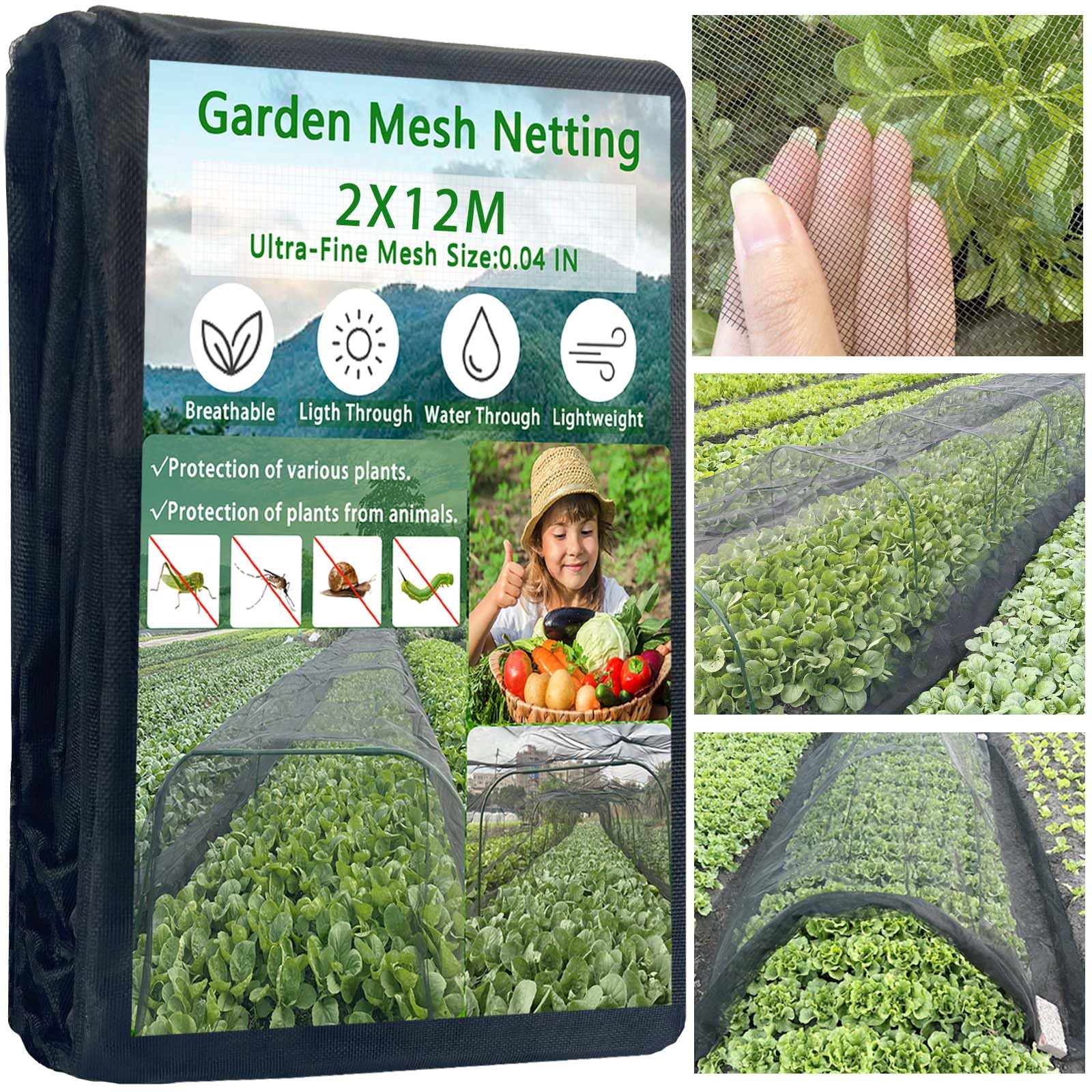
A finer, tightly-woven row cover mesh, like the thickened nano-PPT weave used here, adds a pest-screening element on top of its light-shading role. It will not exclude pests as completely as a dedicated fine insect mesh, but it offers real protection against small flying insects while giving a gentle 30% shade rate that suits crops needing strong light.
Choosing the right tool
If pest exclusion is your main concern with light-loving crops, this style of mesh is a good middle ground. If you need heavier shading for a hot greenhouse, look to a higher-percentage shade cloth instead. If pest exclusion is the only priority and shading is not wanted at all, a dedicated ultra-fine insect mesh with little to no shading effect is the more targeted choice.